

Managing Safety Data Sheets (SDS) is an ongoing responsibility. Whether you're dealing with dozens or hundreds of products, keeping your documentation up to date is essential for regulatory compliance and effective communication throughout your supply chain.
But there's an important detail that's often overlooked: updating an SDS is only part of the process. Making sure the updated version reaches the right people is just as important. And that's where things can get complicated.
When does an SDS need updating?
Under EU REACH Regulation, an SDS must be updated without delay when new information becomes available that may affect risk management measures or hazard information, when an authorisation is granted or refused, or when a relevant restriction is imposed.
There is no fixed expiry date for an SDS. Instead, specific regulatory changes or new safety information determine when an update is necessary.
For a detailed explanation of these requirements, our partner The SDS Factory has published a helpful article: How Often Should You Update Your SDS?
The real challenge: keeping everyone informed
Imagine managing a portfolio of 100 Safety Data Sheets. Over time, several of these documents are revised due to new safety information, changes in classification or updated regulatory requirements.
Once the updated SDS is available, the next step is making sure everyone who previously received the document also receives the latest version.
Without a centralised system, this can quickly become a time-consuming task.
You may find yourself:
- Searching through emails and spreadsheets to identify previous recipients.
- Manually sending updated SDS documents to multiple customers.
- Keeping track of which version was shared with whom.
- Risking outdated safety information remaining in circulation because someone was accidentally left out.
The more products and customers you manage, the more challenging this process becomes. And under REACH Article 31(9), updated SDSs must be provided free of charge to relevant former recipients who received the substance or mixture within the preceding 12 months.
So how do you make sure updated safety information reaches the right people without adding more administrative work?
This is where ProductSafetyCloud makes a difference.
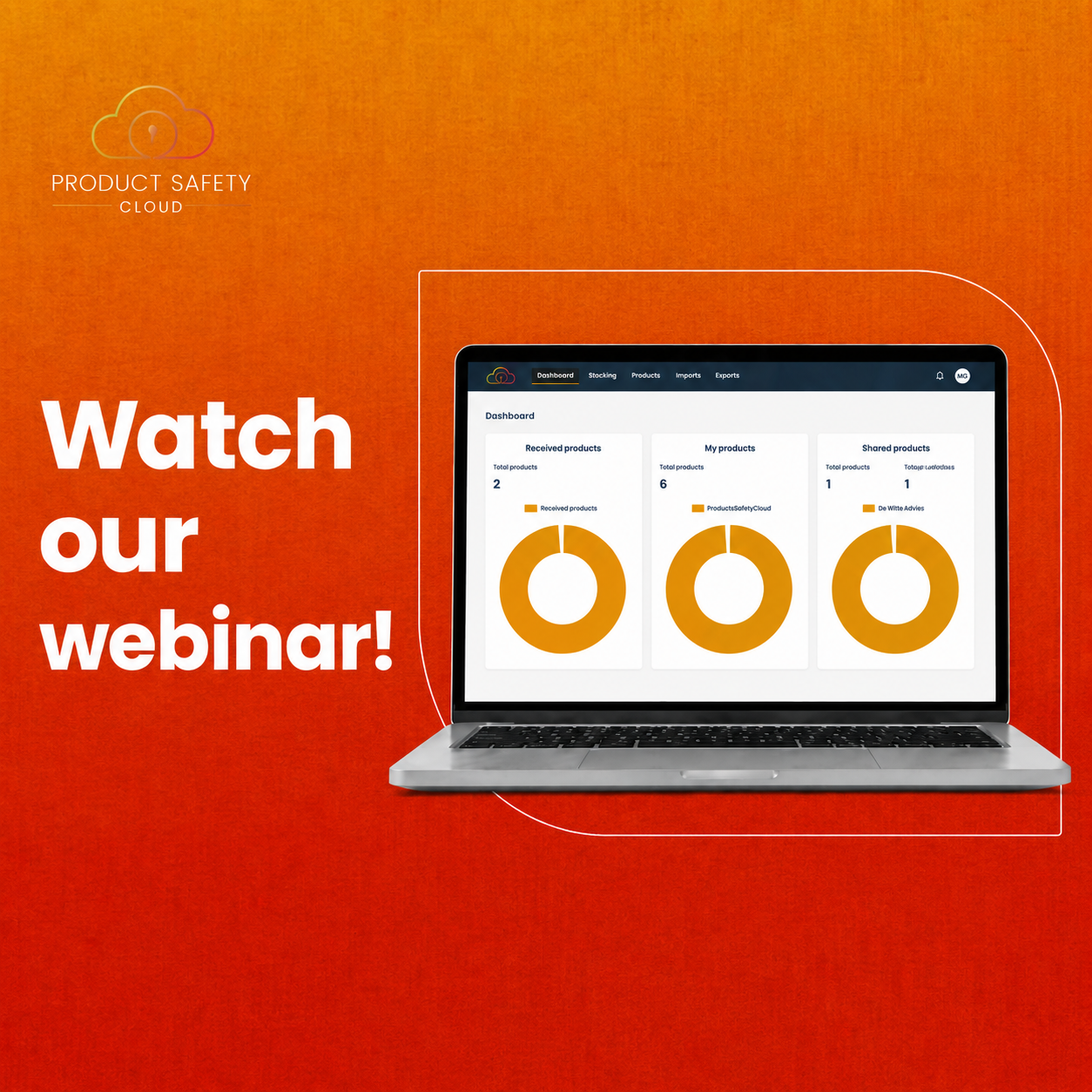
Rather than relying on manual emails and distribution lists, ProductSafetyCloud helps you manage and share Safety Data Sheets from one central platform. When a new version of an SDS becomes available, you simply upload it to ProductSafetyCloud.
From that moment on, the distribution process is automated.
The updated SDS is automatically forwarded to all previous recipients who received the document through ProductSafetyCloud, regardless of when they originally received it. There's no need to manually search for contacts, prepare emails or resend documents one by one.
This means less administrative work, fewer opportunities for human error and a more reliable way to keep your supply chain informed.
From manual distribution to automatic updates
With ProductSafetyCloud, managing updated Safety Data Sheets becomes much simpler.
One central location for your SDS documents
Keep your Safety Data Sheets organised and accessible in one platform, rather than scattered across folders, inboxes and spreadsheets.
Upload once, distribute automatically
When you upload an updated SDS, ProductSafetyCloud automatically shares the new version with everyone who previously received the document through the platform, whether that was a few weeks, several months or even years ago.
No more manual follow-up
There's no need to maintain separate mailing lists or remember which customers need to receive the latest version. ProductSafetyCloud takes care of the redistribution.
Better communication throughout your supply chain
By automatically sharing updated documents, you reduce the risk of customers continuing to rely on outdated safety information.
Focus on compliance, not administration
Keeping track of regulatory developments and determining when an SDS needs updating remains an important responsibility for companies placing chemical products on the market.
ProductSafetyCloud doesn't replace that responsibility. Instead, it simplifies what happens next.
Once an updated SDS is ready, the platform takes care of distributing it to all previous recipients, helping you maintain a consistent and efficient flow of safety information.
And because ProductSafetyCloud automatically distributes updates to all previous recipients, regardless of when they originally received the document, your safety communication goes beyond the minimum twelve-month redistribution requirement under REACH.
This allows your team to spend less time on repetitive administrative tasks and more time on what really matters: product safety, regulatory compliance and supporting your customers.
The bottom line
An updated Safety Data Sheet is only useful if the people who need it actually receive it.
With ProductSafetyCloud, you don't have to manage that process manually. Simply upload the latest SDS and let the platform handle its redistribution to all previous recipients.
Because keeping your safety documentation up to date shouldn't mean sending the same document over and over again.
Want to simplify your SDS management?
Discover how ProductSafetyCloud helps you manage and distribute Safety Data Sheets more efficiently.
Want to know more about when an SDS legally needs to be updated? Read the detailed article by our partner The SDS Factory: How Often Should You Update Your SDS?